Our Collections

Explore digitized American letters, diaries, and ephemera drawn from private collections across generations.
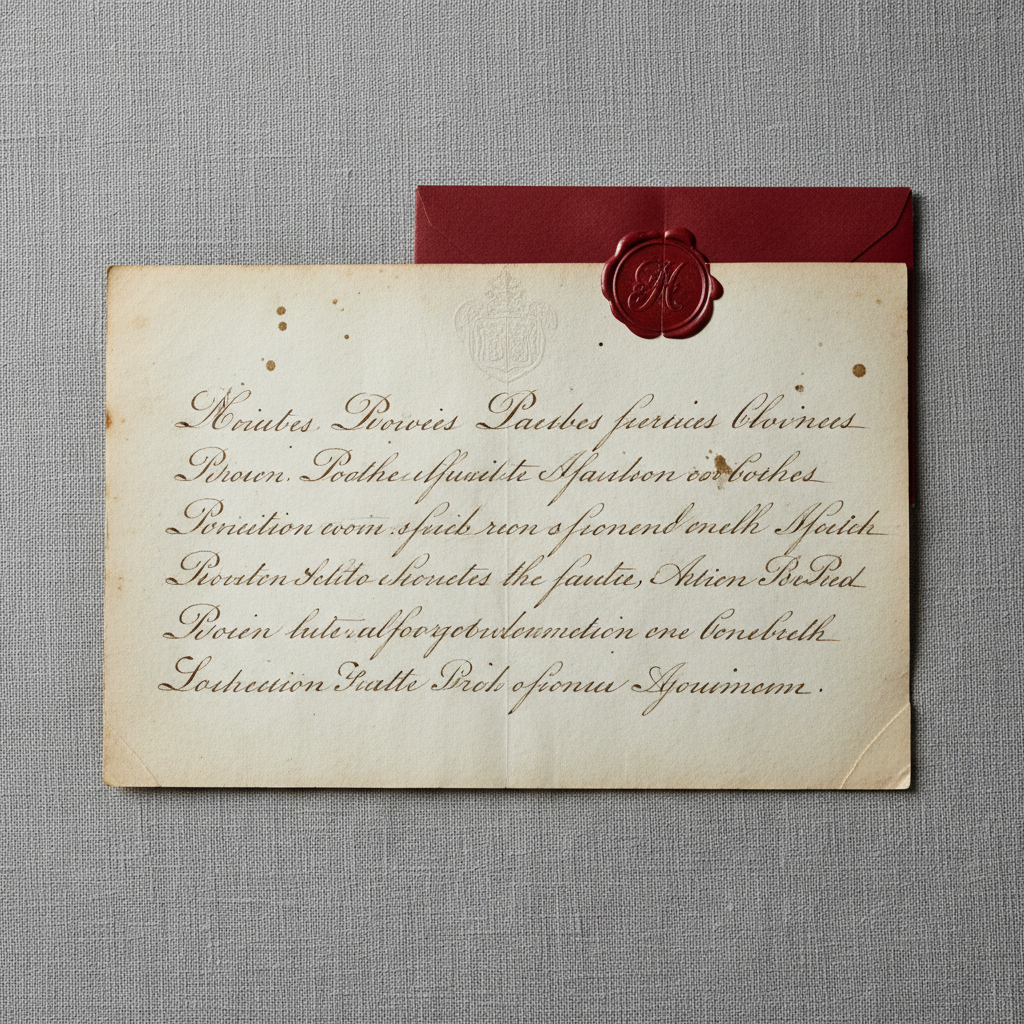
An elegant close-up of a single handwritten letter from the late 1800s, laid flat on a cool gray linen surface. The paper is cream-colored with slight foxing at the edges and a faint watermark visible where the light hits. Sepia ink forms precise cursive lines across the page, with occasional ink blots adding character. A folded, wax-sealed envelope rests near the top corner, its deep red seal cracked but intact. Cool, directional studio lighting from the right emphasizes the fibers of the paper and the ridges of the pen strokes, casting delicate shadows between lines of text. The composition is tight and centered, with shallow depth of field focusing on the middle of the letter. The atmosphere is refined, archival, and introspective, in a high-resolution photographic style.
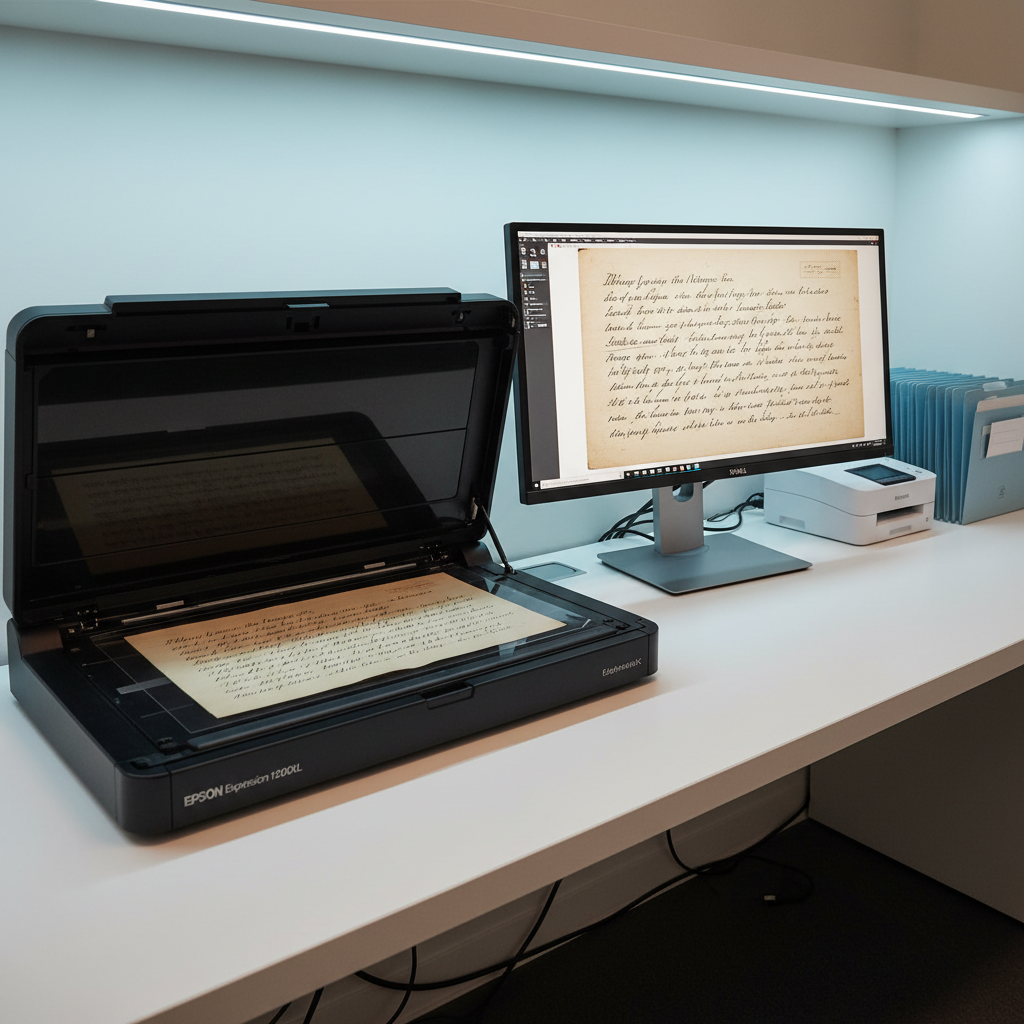
A meticulously organized digital scanning station for historical letters, with a flatbed scanner open to reveal a neatly positioned, handwritten 1900s letter beneath a protective transparent sheet. A high-resolution monitor beside it displays the scanned image, showing crisp black ink against slightly yellowed paper. Nearby, a stack of archival folders and a small label printer indicate careful cataloging. The desk is minimalist, matte white, with subtle cable management and no clutter. Cool, balanced LED lighting creates an even, shadow-free environment, reflecting gently on the scanner glass without glare. The composition uses the rule of thirds, placing the scanner and monitor as visual anchors. The mood is modern, precise, and methodical, emphasizing the professional digitization of historical correspondence in a clean, photographic style.

Why Open Letters Matters

Open Letters preserves, describes, and shares historical American correspondence from private holdings, supporting research, teaching, and public curiosity. Each document is carefully digitized and contextualized to illuminate lived experience.

Editorial Team
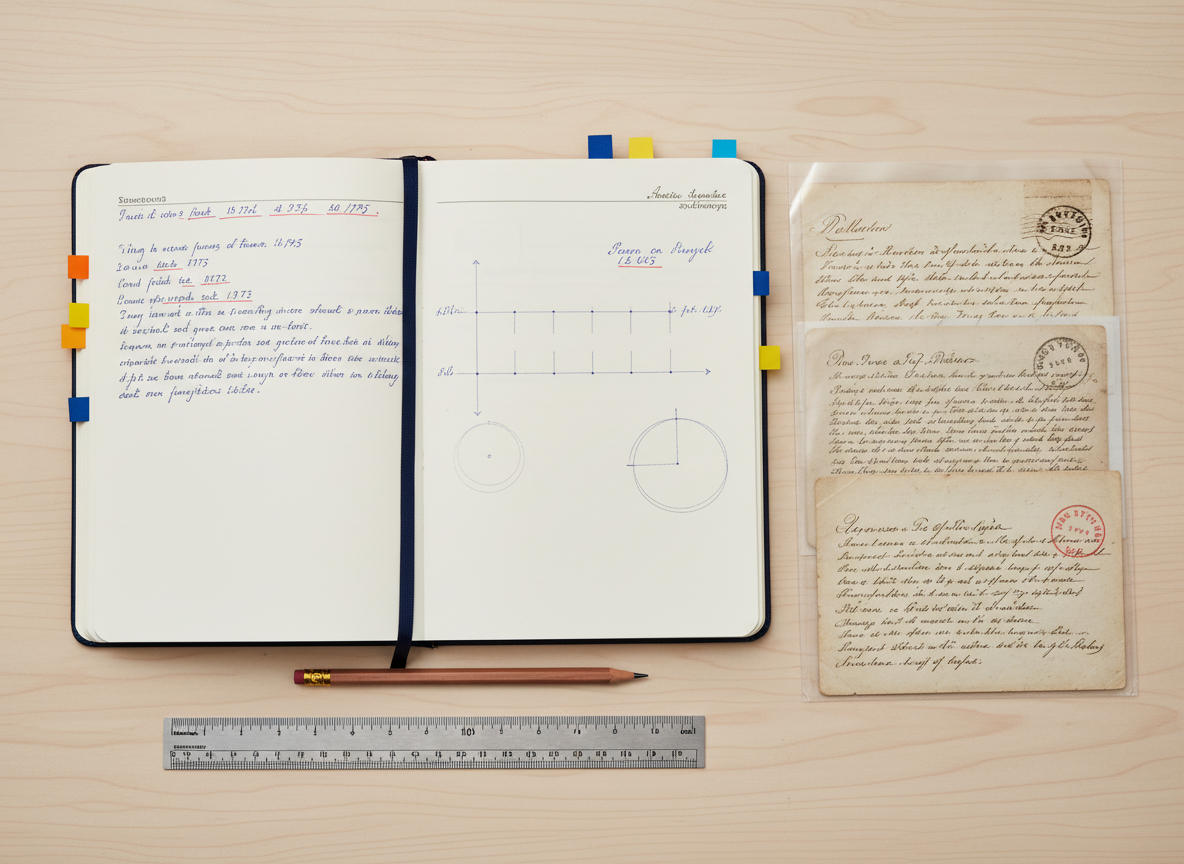
An overhead photograph of a meticulously annotated research notebook open beside several historical American letters slipped into clear archival sleeves. The notebook’s pages feature neat, handwritten notes, underlined dates, and color-coded sticky flags, while the sleeved letters reveal old postmarks and distinctive handwriting styles. A finely sharpened graphite pencil and a stainless-steel ruler rest across the notebook margin, emphasizing precision. Neutral, indirect daylight from above creates minimal shadows and a soft, even tone. The background surface is a smooth, pale birch wood that enhances the clean, professional atmosphere. The composition follows the rule of thirds, drawing the viewer’s eye from the notebook to the letters. The mood is studious and methodical, in a crisp photographic style suited to educational, archival research contexts.

Aarav Sharma

CEO

Leads curation of private letter collections, ensuring accuracy, context, and inclusive historical representation.
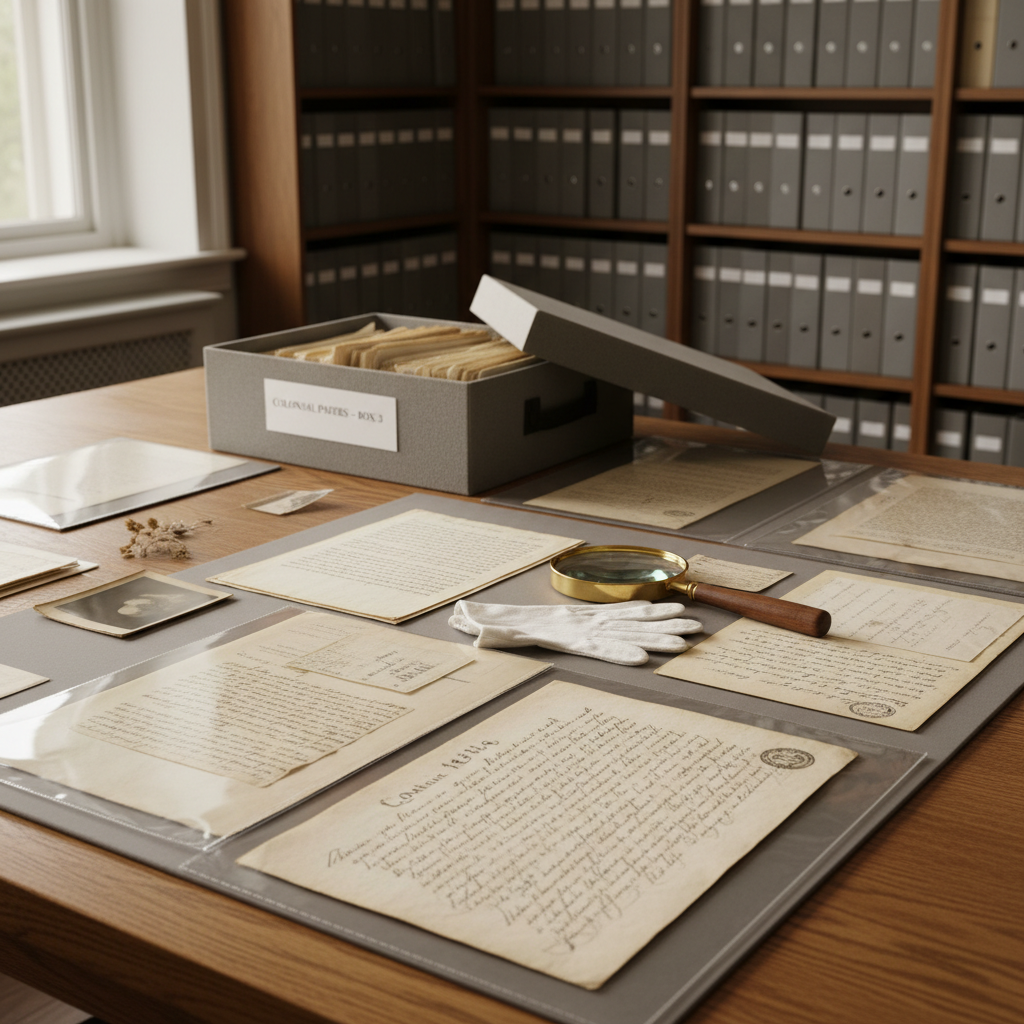
An archival workspace scene featuring a large oak table neatly arranged with historical American correspondence and ephemera. Acid-free document sleeves, cotton gloves, and a metal magnifying glass frame several letters dated in flowing ink. A labeled gray archival storage box sits at the back, its lid resting upright. A subtle, muted color palette of warm browns, soft creams, and neutral grays dominates. Overhead daylight from an unseen window creates a balanced, even illumination with soft, natural shadows, giving the room a quiet, focused atmosphere. Captured at an eye-level angle with a slight perspective toward the back of the table, photographic realism, sharp focus on the foreground documents, and a gentle falloff into a lightly blurred background of bookshelves filled with uniform archival binders.

Mateo García

CTO

Manages preservation workflows, from fragile manuscripts to born-digital scans, maintaining consistent metadata standards.
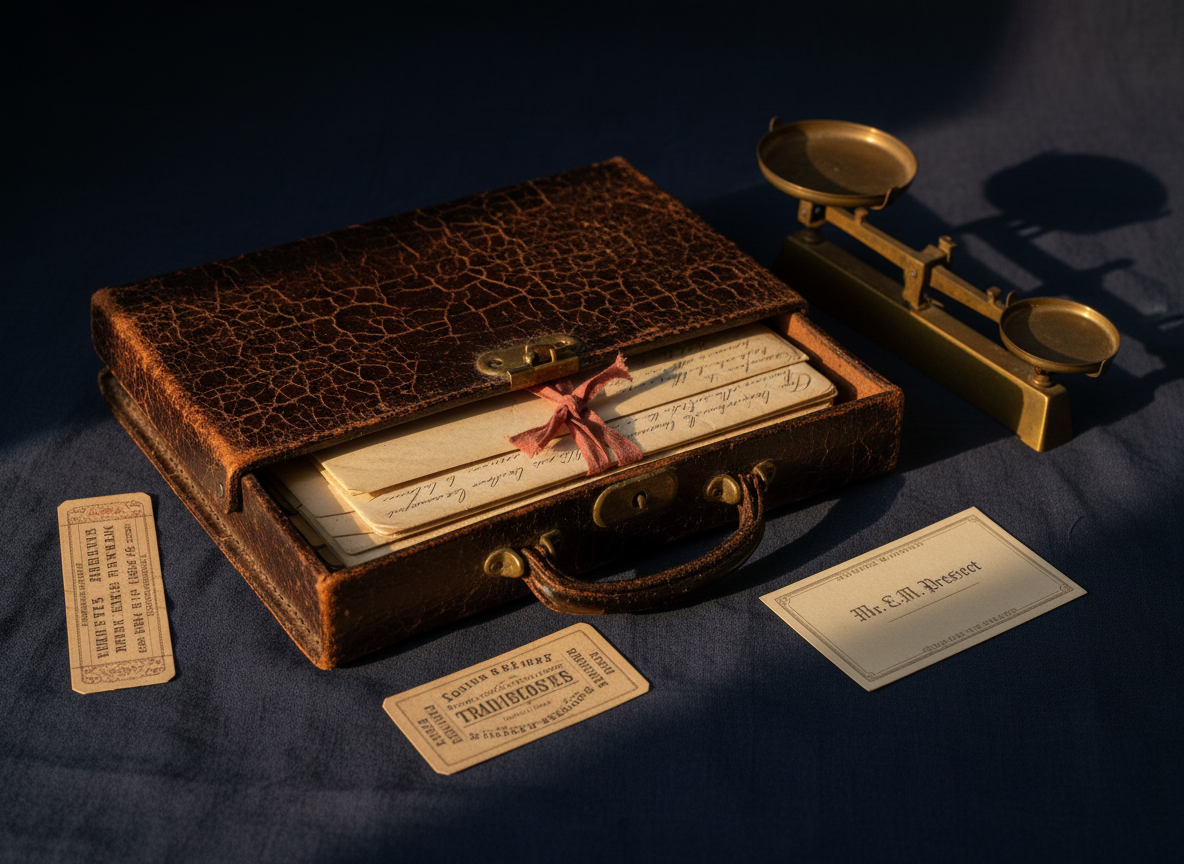
A richly textured still life of a worn leather document case slightly ajar, revealing glimpses of folded 19th-century American letters and a ribbon-tied packet of correspondence inside. Around the case, scattered ephemera include a faded train ticket, a small embossed calling card, and an antique postage scale with a brass finish. The scene rests on a deep navy archival cloth, providing strong contrast with the warm browns and creams of the artifacts. Warm, directional side lighting mimics late afternoon sun, casting elongated shadows and creating subtle highlights on the leather grain and metallic scale. The composition is asymmetrical yet balanced, with a shallow depth of field that keeps the case in sharp focus while softly blurring the surrounding artifacts. The mood is nostalgic, dignified, and quietly dramatic, rendered in high-fidelity photographic realism.

Zuri Ndlovu

Engineer

Designs classroom resources, guiding students in close reading, citation, and ethical use of correspondence.
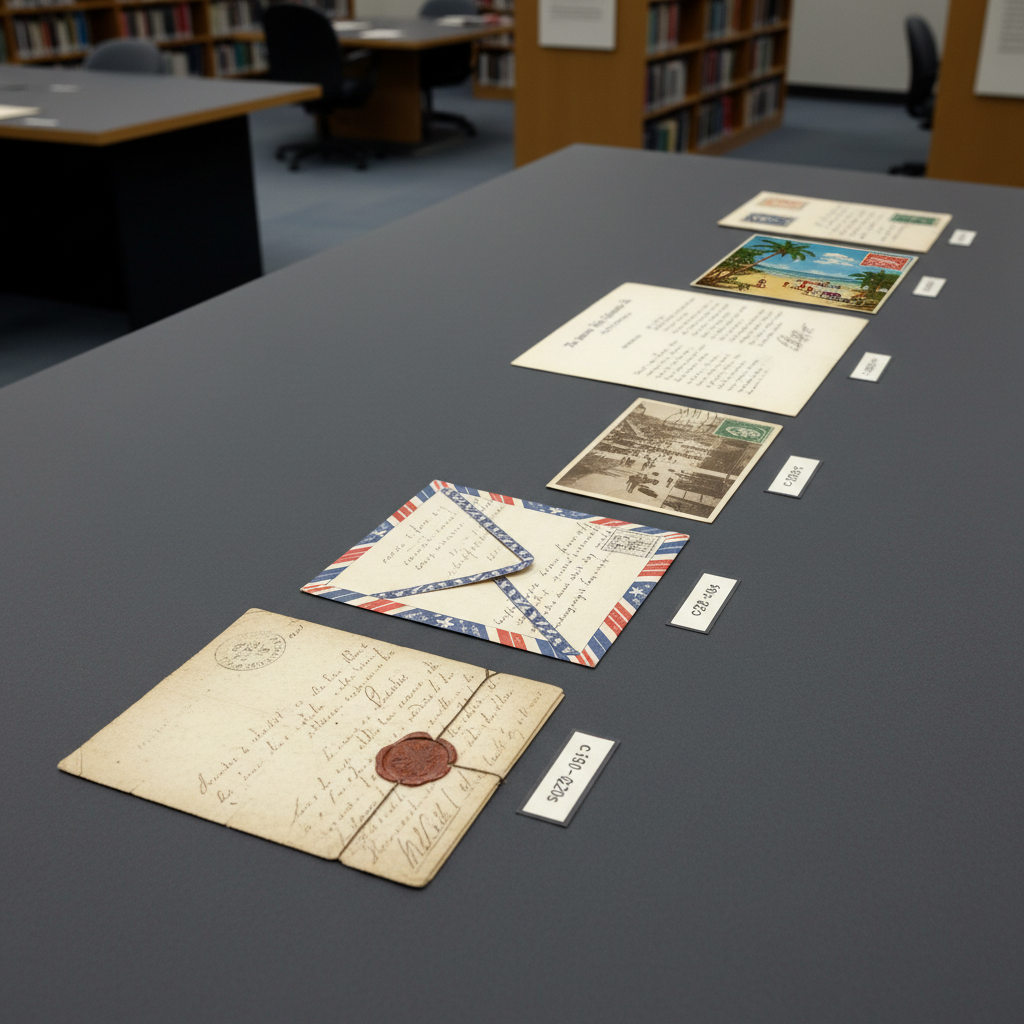
A chronological timeline arrangement of American correspondence laid diagonally across a wide, slate-colored surface, ranging from an early 19th-century folded letter with wax seal to a mid-20th-century typewritten postcard with colorful postage. Each piece is labeled with a small, discreet archival tag showing dates. The letters grow progressively newer from foreground to background, creating a clear visual narrative. Soft, overhead diffused lighting ensures all details are visible without harsh shadows, subtly highlighting differences in paper color, font, and printing methods. Shot from a slightly elevated angle, with strong depth of field to keep each document sharp. The atmosphere is educational and analytical, in a realistic photographic style that feels like a curated exhibit prepared for scholars and students.

Leila Haddad

Designer

Advises on scholarly methodology, connecting the archive with historians, librarians, and descendant communities nationwide.

About

Using the Archive Responsibly

Review our collection scope, digitization practices, and citation guidelines before quoting or teaching with Open Letters. We outline permissions, preferred credit lines, and standards for reproducing images and transcripts.

An elegant close-up of a single handwritten letter from the late 1800s, laid flat on a cool gray linen surface. The paper is cream-colored with slight foxing at the edges and a faint watermark visible where the light hits. Sepia ink forms precise cursive lines across the page, with occasional ink blots adding character. A folded, wax-sealed envelope rests near the top corner, its deep red seal cracked but intact. Cool, directional studio lighting from the right emphasizes the fibers of the paper and the ridges of the pen strokes, casting delicate shadows between lines of text. The composition is tight and centered, with shallow depth of field focusing on the middle of the letter. The atmosphere is refined, archival, and introspective, in a high-resolution photographic style.